Community Discussion
r/recruitinghell
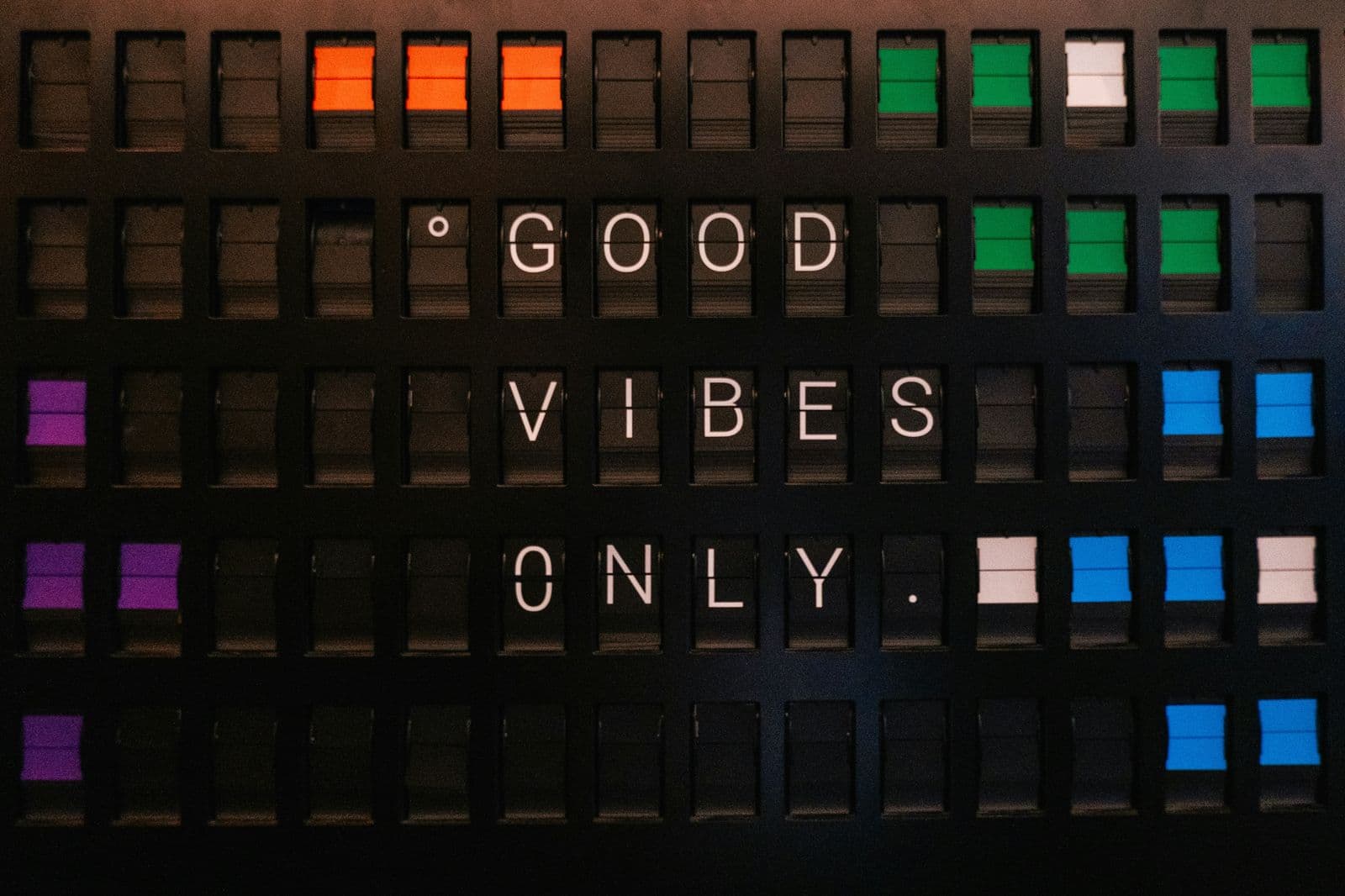
Hiring is mostly vibes
HR professional shares frustration after being passed over for someone with zero experience and zero relevant education
When an HR professional took to Reddit to vent about losing a job to someone with zero experience and zero relevant education, they inadvertently sparked a conversation about one of hiring's worst-kept secrets: culture fit often matters more than credentials.
The responses revealed what many hiring managers already know but rarely say explicitly: vibes aren't a bug in the hiring system, they're actually a feature. Skills can be taught, attitudes are much harder to change, and team chemistry directly impacts productivity, retention, and workplace satisfaction.
I am relatively new-hire in the tech industry and just earlier today my boss and I were talking about how we are looking for a software developer and his comment was, " we can train people no problem, I would rather hire someone I think will fit in with the team." It's just the way it is. There is no way I was the most qualified candidate that applied to the job I currently have. I just happened to really vibe with the hiring manager, and honestly, I still vibe with him now, he's a great boss. Hiring. Is. All. Vibes. Just pass the basic requirements and play it cool.
A lot of hiring managers will take someone with an amazing attitude and not as much experience over someone with a ton of experience and a terrible attitude.
This perspective reveals the practical wisdom behind culture-first hiring. Experience without emotional intelligence or collaboration skills can actually hurt team performance. A positive attitude combined with basic competence creates a foundation for growth that benefits everyone.
Sure but that's assuming OP had a terrible attitude, when at worst, OP may have been nervous. It sounded like a great interview so to me your point doesn't make sense here
Why Smart Hiring Managers Lead With Culture
Culture-first hiring isn't about playing favorites or ignoring qualifications. It's about recognizing that technical skills exist within human relationships. The most brilliant developer won't succeed if they can't communicate with stakeholders. The most experienced marketer won't thrive if they clash with the creative team.
The Business Case for Vibes
Team Performance
Cohesive teams communicate better, collaborate more effectively, and produce higher-quality work than groups of individual high performers who don't mesh well.
Retention & Growth
Employees who feel aligned with their colleagues and company culture stay longer, engage more deeply, and are more likely to develop their skills within the organization.
Look for hidden features, like social connections, political views, sexual orientation issues, religion, graduating from same college ...
Working With Reality: How to Optimize for Connection
Since culture fit matters enormously in hiring decisions, your job isn't to fight the system. Instead, focus on understanding how to demonstrate authentic professional compatibility while showcasing your qualifications.
Building Genuine Professional Rapport
Research the Team's Communication Style
Look up your potential colleagues on LinkedIn and company pages. Are they formal or casual? Data-driven or relationship-focused? Match your authentic communication style to their preferences.
Show Your Collaboration Approach
Rather than just listing solo achievements, share stories about how you've worked with others, handled conflicts, or contributed to team success. This gives insight into what it's actually like to work with you.
Ask Culture-Revealing Questions
Inquire about team dynamics, decision-making processes, or how they handle challenges. This shows you value fit as much as they do while giving you information to assess if you'd be happy there.
Demonstrate Emotional Intelligence
Read the room, respond to conversational cues, and show genuine interest in their perspectives. These soft skills often matter more than technical expertise for long-term success.
I was one of two finalists for a job and got complimented on my enthusiasm, confidence, and skills, and still didn't get the job and I've been perplexed ever since
This experience perfectly captures why culture fit can feel arbitrary. You can excel in the interview and still lose to factors you can't see: the other candidate knew someone internally, shared a specific background with the hiring manager, or simply had a slightly different communication style that resonated more strongly.
Which in many applications is reasonable; certainly I would be wary of hiring a terrible attitude regardless of experience
Making Your Authentic Self Your Advantage
The goal isn't to manufacture fake chemistry or become someone you're not. It's to present your genuine professional persona in ways that highlight your collaborative strengths and cultural compatibility.
Authentic vs. Performative Approaches
Do This
Avoid This
Share genuine examples of how you've contributed to positive team dynamics
Pretend to have interests or values that don't align with who you are
Ask thoughtful questions that show you care about team success
Agree with everything the interviewer says to seem agreeable
Demonstrate your natural communication style while being professional
Adopt a completely different personality for the interview
Do This
Share genuine examples of how you've contributed to positive team dynamics
Avoid This
Pretend to have interests or values that don't align with who you are
Do This
Ask thoughtful questions that show you care about team success
Avoid This
Agree with everything the interviewer says to seem agreeable
Do This
Demonstrate your natural communication style while being professional
Avoid This
Adopt a completely different personality for the interview
Key Insights About Culture-First Hiring
- Culture fit prioritizes long-term team success over individual credentials
- Being qualified enough while being collaborative often beats being over-qualified but difficult
- Interview rejection may protect you from environments where you wouldn't thrive
- Authentic professional rapport matters more than manufactured chemistry
- The best candidates show they value team dynamics as much as personal advancement
The conversation that started with frustration ultimately reveals a crucial truth: hiring for culture fit isn't about playing favorites or ignoring qualifications. It's about recognizing that all work happens through human relationships, and the most successful teams combine competence with compatibility.
The most effective job seekers understand that every interaction is an opportunity to demonstrate not just what they can do, but how they approach collaboration, communication, and shared problem-solving. In a world where technical skills can be taught and learned quickly, your ability to work well with others becomes your sustainable competitive advantage.