Here's the uncomfortable truth about job interviews: most candidates think they're great at them, but they're actually terrible. They show up unprepared, ramble through generic answers, and wonder why they keep getting rejected despite having the right qualifications.
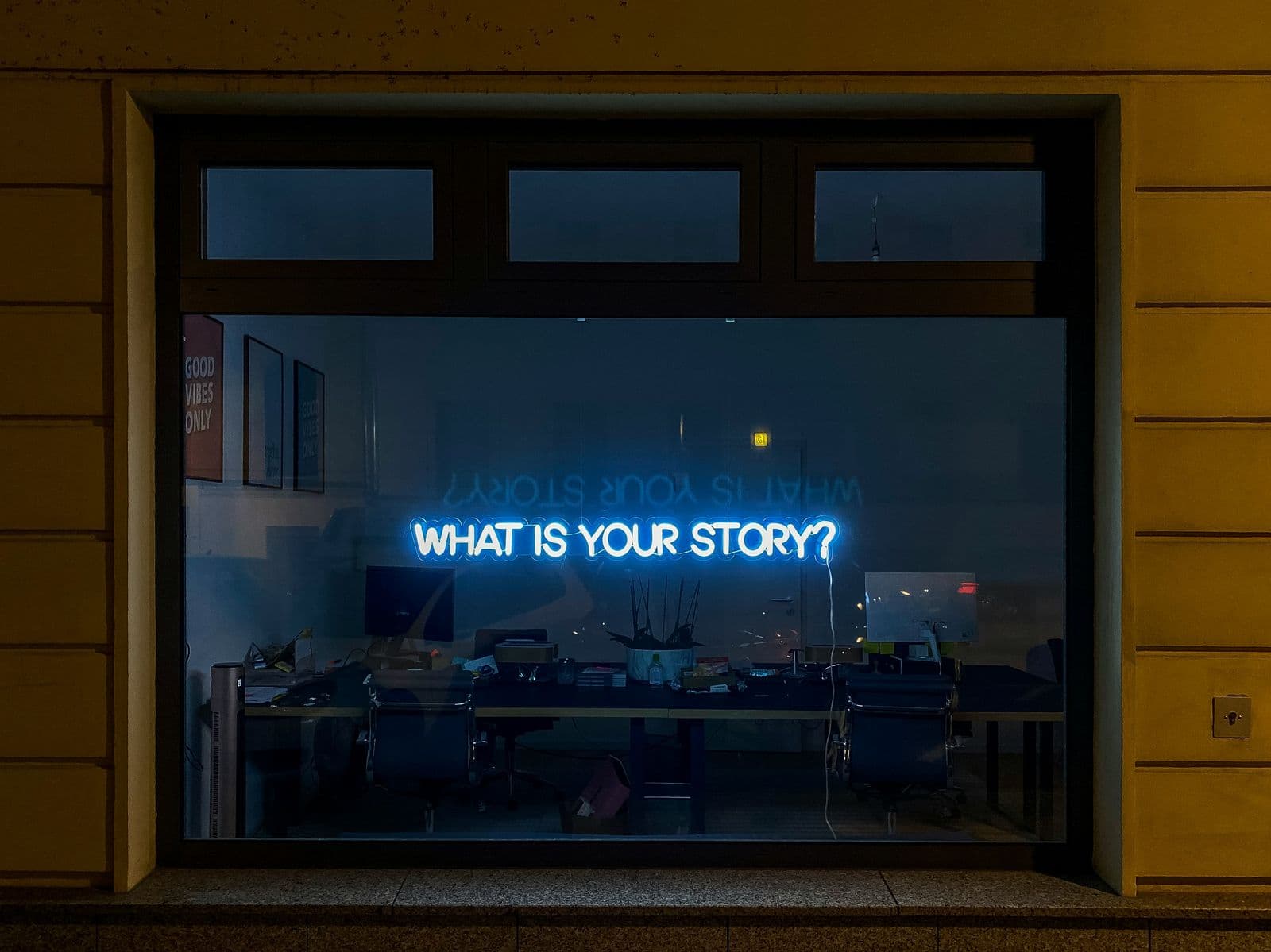
The difference between candidates who land offers and those who don't isn't just experience or skills. It's preparation. Specifically, it's knowing how to craft and deliver compelling stories that showcase your value. These are stories that stick with hiring managers long after you leave the room.
75%
Of candidates
fail to prepare specific examples
2 minutes
Average time
recruiters spend reviewing answers
6-8
Stories needed
to handle most interview scenarios
Why Most Interview Practice Fails
Most people approach interview practice backwards. They memorize generic answers to common questions, hoping to sound polished. But here's what actually happens: when the interviewer asks a slightly different version of the question, or follows up with specifics, these rehearsed responses crumble.
Generic Answers vs. Story-Based Responses
Do This
Avoid This
"When our team faced a critical product launch with half our developers out sick, I coordinated with design and QA to redistribute tasks and delivered on schedule"
"I'm a hard worker who's great with teams and always meets deadlines"
"After seeing how your mobile app helped my grandmother manage her medications, I knew I wanted to contribute to technology that genuinely improves lives"
"I'm passionate about this industry and excited about growth opportunities"
Do This
"When our team faced a critical product launch with half our developers out sick, I coordinated with design and QA to redistribute tasks and delivered on schedule"
Avoid This
"I'm a hard worker who's great with teams and always meets deadlines"
Do This
"After seeing how your mobile app helped my grandmother manage her medications, I knew I wanted to contribute to technology that genuinely improves lives"
Avoid This
"I'm passionate about this industry and excited about growth opportunities"
According to research from career experts, candidates need concrete examples rather than general responses to differentiate themselves. The most successful interview preparation focuses on developing a toolkit of specific stories that can be adapted to various questions.
Build Your Story Arsenal
Start by identifying 6-8 specific situations from your work, academic, or volunteer experience. Each story should demonstrate different skills: leadership, problem-solving, teamwork, innovation, handling conflict, learning from failure, and exceeding expectations.
Research Beyond the Basics
Don't just scan the company website. Dig into recent news, industry challenges, leadership changes, and competitor analysis. Understanding their business context helps you frame your stories in ways that resonate with their specific needs.
- Read recent press releases and news articles about the company
- Check LinkedIn for insights about team members and company culture
- Research industry trends and challenges they're likely facing
- Understand their competitors and market position
- Look up the interviewer's background and interests

Practice Out Loud (This Is Non-Negotiable)
Thinking through your answers isn't enough. You need to practice speaking them aloud, multiple times, until they flow naturally. Record yourself or practice with a friend who can give honest feedback about your delivery, pacing, and clarity.
Mock Interview Strategies
Solo Practice
Record yourself answering questions, then review for filler words, pacing issues, and clarity. Practice in front of a mirror to work on body language and eye contact. For more targeted practice, tools like ResumeXRays offer AI-powered spoken interviews tailored to your specific resume and target job.
Partner Practice
Have someone ask you questions and provide feedback. They can catch things you miss and help you refine your delivery. Mix expected and unexpected questions.
Master the Most Critical Questions
While you can't predict every question, certain ones appear in virtually every interview. According to Indeed's research on common interview questions, these five questions form the foundation of most interviews:
The Big Five Questions to Master
"Tell me about yourself"
Focus on your professional narrative rather than your entire life story. Walk them through your career chronologically, highlight key moves and achievements, and end with why you're interested in this role.
"Why do you want this job?"
Connect your career goals with their specific needs. Show you've researched the role and company. Explain what excites you about this particular opportunity.
"What are your strengths/weaknesses?"
For strengths, pick ones relevant to the job and back them with examples. For weaknesses, choose real ones you're actively working to improve.
"Tell me about a challenge you faced"
Use your STAR framework to show problem-solving skills. Focus on your actions and the positive outcome. Include what you learned from the experience.
"Do you have any questions for us?"
Always have 3-4 thoughtful questions ready. Ask about challenges, team dynamics, and growth opportunities. Company direction is another great topic.
Virtual Interview Mastery
Virtual interviews require additional preparation beyond traditional face-to-face meetings. Technical issues, lighting problems, and awkward camera angles can derail even well-prepared candidates.
Virtual Interview Checklist
The Psychology of Standing Out
Hiring managers don't just evaluate your qualifications. They also assess cultural fit, communication skills, and genuine interest in the role. According to career research from The Muse, interviewers look beyond correct answers to understand how you think and whether you'd thrive in their environment.
What Interviewers Really Evaluate
Technical Assessment
Can you do the job? Do you have the required skills and experience? How do you approach problems and make decisions?
Cultural Fit
Will you mesh with the team? Do you share similar values? Are you genuinely interested in this specific role and company?
This is why storytelling matters so much. Stories reveal your thought process, values, and personality in ways that direct answers can't. They help interviewers envision you succeeding in the role.
Advanced Preparation Strategies
Prepare for Curveball Questions
Beyond standard questions, prepare for unexpected ones that test your thinking: "If you were an animal, what would you be?" or "How would you solve this hypothetical business problem?" Practice thinking aloud and staying calm under pressure.
Develop Your Question Strategy
Your questions reveal as much about you as your answers do. Prepare thoughtful questions about team dynamics, growth opportunities, company challenges, and role expectations. Avoid asking about salary, benefits, or vacation time in initial interviews.
As a former manager and candidate myself, I'm often shocked at how ill-prepared candidates are on differentiating themselves from their competition. Everyone seems to think they are great at interviewing, and most of them are wrong.
Plan Your Follow-Up
Prepare your thank-you email template before the interview. Include specific details from your conversation, reiterate your interest, and add any relevant information you forgot to mention during the interview.

The Reality Check: Networking Still Matters
While interview skills are crucial, don't ignore the power of connections. Reddit discussions reveal that networking and referrals remain powerful advantages in the hiring process. Many successful candidates leverage personal connections for opportunities, sometimes bypassing traditional application processes entirely.
Key Takeaways
- Prepare 6-8 specific stories using the STAR method rather than memorizing generic answers
- Research the company beyond their website to understand their challenges and industry context
- Practice speaking your answers aloud multiple times until they flow naturally
- Master the five most common questions that appear in virtually every interview
- Prepare thoughtful questions that demonstrate genuine interest and research
- For virtual interviews, test technology and optimize your setup in advance
- Focus on storytelling that reveals your thought process and cultural fit
Frequently Asked Questions
How many stories should I prepare for an interview?
Prepare 6-8 detailed stories that showcase different skills and situations. This gives you flexibility to adapt to various questions while avoiding repetition.
Should I bring notes to the interview?
Yes, bring a portfolio with your resume, questions for the interviewer, and key talking points. It shows preparation and professionalism, but don't read directly from notes.
How long should my answers be?
Aim for 1-2 minutes for most answers. Provide enough detail to be compelling but stay concise. Watch for interviewer cues—if they seem engaged, you can elaborate.
What if I don't have much work experience?
Draw from academic projects, internships, volunteer work, or personal initiatives. Focus on transferable skills like leadership, problem-solving, and teamwork from any context.